Tropical Fruit Floral 20oz Tumbler Wrap Review
As a designer who spends more time staring at stitch maps than most people care to admit, I approach every new digital embroidery file with a mix of excitement and skepticism. We have all been there: you buy a beautiful graphic, digitize it (or download a pre-made version), and halfway through the run, you realize the density is too high for the fabric or the details are going to vanish under the thread. Today, I am putting the Tropical Fruit Floral 20oz Tumbler Wrap under the microscope. While this asset is marketed primarily as a high-resolution PNG for sublimation or printing on tumblers, my interest lies in its potential adaptation for machine embroidery design projects. Can a graphic intended for a curved tumbler surface translate effectively into a stitched handmade product? Let's dive into the practical realities.
First Impressions: Mood and Visual Personality
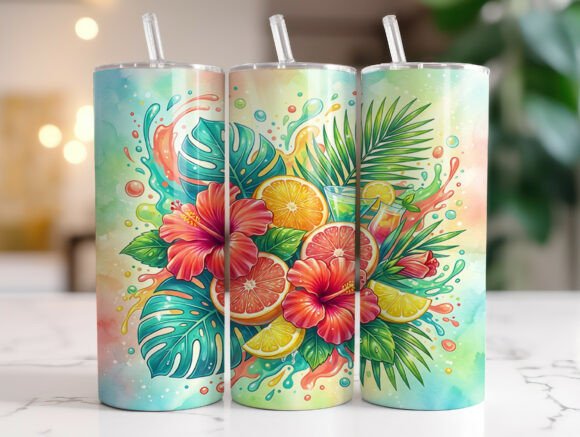
Upon opening the file, the first thing that strikes me is the vibrancy. The "Tropical Fruit Floral" theme immediately evokes a sense of summer, leisure, and boutique-style fun. The layout, sized at 9.3″ x 8.2″, is substantial. In the world of Tumbler Wraps, this footprint is perfect for wrapping around a 20oz skinny tumbler, but for an embroiderer, this dimensions signal a large-scale project. The composition feels balanced, likely featuring lush foliage intertwined with bright citrus or exotic fruits. This isn't a subtle, minimalist logo; it is a statement piece. The visual personality suggests it belongs on items meant to be seen and enjoyed, rather than hidden away. For a craft business owner, this kind of bold imagery is gold because it stops the scroll on social media and catches the eye at craft fairs.
Real-World Application: Beyond the Tumbler
While the product description highlights its use for 20oz tumblers, my mind immediately jumps to how this Graphics file could be repurposed for textile applications. Imagine a custom tote bag design for a beach-themed bridal party. The tropical motif fits perfectly here. However, because the original file is a PNG, using it for embroidery requires careful digitizing or tracing if you are creating your own stitch file, or verifying that the purchased package includes the necessary stitch formats if sold as a hybrid product.
Let's consider a specific scenario: a local boutique orders a run of sweatshirt embroidery for their summer staff uniforms. They want something cheerful but professional. The Tropical Fruit Floral design, if adapted with the right stitch density, could look fantastic on the back of a lightweight hoodie. Alternatively, think about holiday embroidery for a tropical destination wedding. Instead of the usual monograms, imagine this design stitched onto linen napkins or a ceremonial runner. The key is recognizing that a design meant for a smooth, hard surface like a tumbler needs significant adjustment when moving to soft, textured fabrics. The way light hits a printed PNG is different from how thread reflects light, so the color choices in your thread colors palette will need to be vibrant to match the digital preview.
Technical Considerations for Stitching
Here is where we need to be realistic. If you are planning to turn this image into an embroidery project, you cannot simply load the PNG into your machine. You need a proper embroidery file format (like PES, DST, or EXP). Assuming you have access to the digitized version or are digitizing it yourself based on this high-res source, there are critical factors to watch.
First, consider the hoop size. At over 9 inches wide, this design will not fit in a standard 4x4 or 5x7 hoop. You will need a large hoop, likely an 8x8 or larger, or you will need to split the design for multi-hooping. Splitting a design with organic, flowing floral lines can be tricky; you do not want visible seam lines cutting through a fruit or a leaf.
Second, pay attention to stitch density. Graphics designed for print often have solid blocks of color. In embroidery, large solid areas filled with satin or fill stitches can become stiff and heavy, causing the fabric to pucker. For a custom apparel item like a t-shirt, you might need to use a lighter fill pattern or incorporate running stitch details to break up the density. If you are attempting an applique design approach, this graphic is actually ideal. Using fabric pieces for the fruits and flowers and stitching around them with a satin stitch border would reduce bulk and give a very professional, textured look that mimics the original graphic's depth.
Fabric and Surface Challenges
The original product is intended for a rigid, curved surface. Translating this to textiles introduces variables. On a textured fabric like a waffle-knit towel or a coarse canvas tote, tiny details in the floral elements might get lost. The fabric texture can swallow fine running stitch outlines. Conversely, on thin fabric or stretchy materials like jersey knits used for baby embroidery, a design of this size and potential density is risky without robust stabilization.
If you are considering this for a cap, remember that caps are curved surfaces, similar to the tumbler intent, but the stitching area is limited and the fabric is thick. Fitting a 9-inch wide design onto a cap is impossible without major resizing, which could compromise the clarity of the smaller floral details. For layered garments or items that need frequent washing, such as kitchen towels or aprons, ensure your underlay is sufficient to prevent shifting. A design that looks crisp on a printable mockup might turn into a puckered mess on a washed tea towel if the stabilizer strategy wasn't sound.
Commercial Value and Brand Consistency
For the Etsy seller or small shop owner, the value of a design like Tropical Fruit Floral 20oz Tumbler Wrap lies in its versatility. Even if you primarily sell printed tumblers, offering an embroidered version of the same design on a matching tote bag creates a cohesive brand collection. Customers love coordinated sets. It increases the perceived value of your small shop product line. However, professionalism is key. A poorly stitched version of a beautiful graphic can damage customer trust.
Before listing this as a personalized gift option or a commercial embroidery asset, test it thoroughly. Does the green of the leaves look muddy against a navy background? Do the tiny seeds in the fruit blend together? These details determine whether your finished product looks like a boutique item or a amateur experiment. High-quality presentation in your shop photos, perhaps using the original PNG for digital mockups while showcasing the stitched version on physical goods, can bridge the gap between expectation and reality.
Designer Notes and Final Verdict
If you are ready to move forward with this design, here is my practical checklist:
- Test on Scrap First: Never skip this. Stitch the design on the exact fabric you plan to use for the final product.
- Check Contrast: View your thread choices in black and white to ensure the design elements separate clearly without relying solely on color.
- Stabilizer Strategy: For a design of this scale, cut-away stabilizer is often safer than tear-away, especially for garments that will be worn and washed frequently.
- Verify Licensing: The product notes state "Instant Download" for PNG files. If you intend to sell stitched items, confirm the license terms. Some graphic licenses allow personal use only, while others permit commercial use of finished physical goods but not the digital file itself.
- Inspect Small Details: Zoom in on the digital file. Are there isolated pixels or tiny gaps that might cause thread breaks or bird nests?
In conclusion, the Tropical Fruit Floral 20oz Tumbler Wrap is a visually striking asset with strong potential for design assets beyond just drinkware. Its bold, summery aesthetic makes it a contender for standout embroidered patch work, statement sweatshirts, or boutique home decor. However, success depends entirely on respecting the technical limitations of embroidery. By adjusting density, choosing the right stabilizer, and understanding the shift from print to stitch, you can transform this graphic into a tangible, high-value product that customers will love. Just remember: what works on a screen doesn't always work on a needle, so plan your stitches as carefully as you choose your threads.