Review: Leopard Print Hibiscus Rose Tumbler Wrap Design
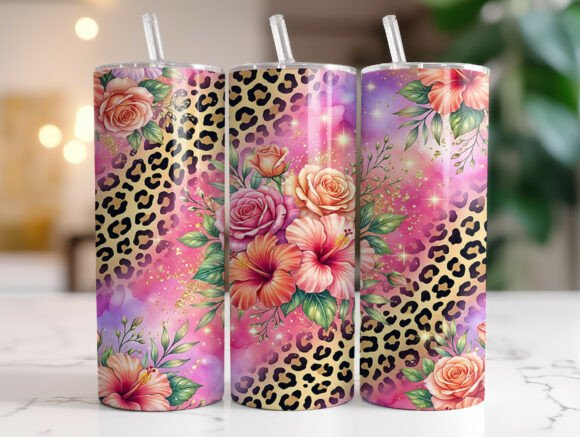
As a designer who spends more time staring at stitch maps than most people care to admit, I approach every new digital embroidery file with a mix of excitement and skepticism. We have all been there: you buy a stunning graphic online, only to realize it translates poorly into thread, resulting in a muddy mess of fill stitch and broken needles. Today, I am taking a close look at the Leopard Print Hibiscus Rose Tumbler Wrap. While this asset is marketed primarily as a high-resolution PNG for sublimation or printing on 20oz skinny tumblers, my interest lies in its potential adaptation for physical textile projects. Can a design born for curved drinkware hold up when applied to fabric? Let's dig into the practical realities of using this bold aesthetic in a real-world embroidery project.
First Impressions: Boldness Meets Botanicals
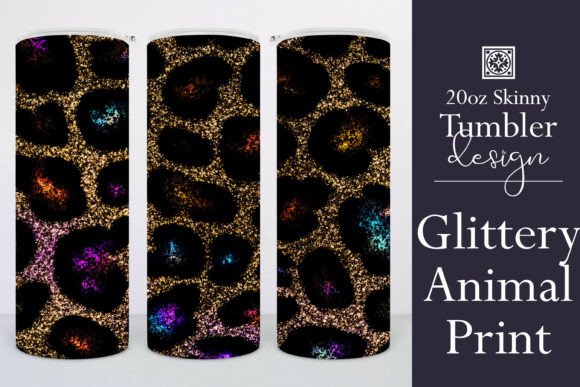
The moment you load the Leopard Print Hibiscus Rose Tumbler Wrap onto your screen, the visual personality hits you immediately. It is not a shy design. The combination of wild animal print with the soft, romantic curves of a hibiscus rose creates a striking contrast that screams "boutique fashion." The layout is dynamic, utilizing the full 9.3″ x 8.2″ canvas effectively. For an embroidery designer, the first thing to evaluate is the detail level. The leopard spots provide excellent texture, while the rose offers a focal point of organic shape.
However, translating this from a 300 DPI graphic to a machine embroidery design requires careful thought. The mood here is tropical meets safari chic. It feels perfect for summer collections, resort wear, or anyone looking to make a statement. If you are an Etsy seller or run a small shop product line, this kind of visual punch is exactly what stops the scroll on social media. But does it stitch out well? That is the million-dollar question.
Real-World Application: From Screen to Stitch
To test the viability of this concept, I imagined a specific client request: a custom sweatshirt embroidery order for a local boutique targeting young adults. They wanted something trendy but durable. While the original file is a graphic for Tumbler Wraps, the composition works surprisingly well for a large back patch or a full-front chest piece on heavy cotton blends.
If you were to digitize this or use a pre-made applique design version of it, the leopard sections would likely rely on dense fill stitch work to capture the irregularity of the spots. The hibiscus rose, conversely, would benefit from smooth satin stitch borders to define the petals against the busy background. In a real-life scenario, such as creating a tote bag design for a beach market, this interplay of textures adds significant value. Customers perceive items with complex layering as higher quality, which directly impacts your handmade product pricing power.
Consider also the use case for a personalized gift. A teacher's tote or a gym bag featuring this motif stands out far more than a standard monogram. The finished product would feel like a piece of wearable art rather than just a decorated item. For commercial embroidery ventures, offering this level of detail can be a key differentiator, provided you manage the production time effectively.
Navigating Technical Challenges
Here is where we need to be realistic. The Leopard Print Hibiscus Rose Tumbler Wrap is visually dense. When moving from a printed graphic to thread, stitch density becomes a critical factor. If you attempt to stitch this on a thin fabric like a lightweight t-shirt without proper preparation, you will face puckering and distortion. The sheer volume of thread required to replicate those leopard spots could make the fabric stiff and uncomfortable.
You must exercise caution with hoop size limitations. At nearly 9 inches wide, this design demands a large hoop, potentially requiring re-hooping if your machine has a smaller field. Furthermore, textured fabrics present a challenge; the intricate details of the rose might get lost on a looped towel or a fuzzy fleece unless you use a water-soluble topper. Dark fabrics are another consideration. Since the original graphic likely assumes a light background for the tumbler, stitching this on black apparel might require significant underlay adjustments or a complete colorway shift to ensure the thread colors pop correctly.
Curved surfaces, like caps, are particularly tricky with this specific layout. The horizontal spread of the wrap design does not naturally conform to the front panel of a baseball cap without significant warping. For baby embroidery, the density might be too harsh against sensitive skin, so I would recommend scaling it down significantly or using it only as a small accent on a blanket rather than direct garment application.
Enhancing Brand Value and Customer Trust
Why go through the trouble of adapting a graphic for embroidery? Because the tactile nature of thread builds trust. A printable mockup looks nice on a website, but a customer holding a physically embroidered item feels the quality. Using a sophisticated motif like the Leopard Print Hibiscus Rose Tumbler Wrap elevates your brand consistency. It signals that you are not just slapping logos on things; you are curating designs.
For craft business owners, this translates to buyer engagement. People love sharing photos of unique, highly detailed items on Instagram. If your embroidered patch or jacket back features this level of artistic flair, it becomes shareable content, essentially free marketing for your shop. The recognition factor is high; once customers associate your brand with this level of bold, well-executed design, they return for more.
Practical Notes for the Professional Maker
Before you commit to selling this as a custom apparel option or a holiday embroidery special, here are my non-negotiable steps for any designer:
- Test on Scrap First: Never run a dense design like this on your final garment without a trial run on identical fabric.
- Check Stabilizer: Given the likely high stitch count of the leopard print, a cut-away stabilizer is probably necessary to prevent long-term sagging.
- Review Color Contrast: Ensure your thread palette matches the vibrancy of the original 300 DPI PNG. Flat threads might dull the effect compared to variegated options.
- Verify Licensing: Since this is sold as a digital graphic for tumblers, confirm with the creator if you have the rights to adapt it for commercial embroidery sales. Do not assume the license covers physical goods.
- Inspect Small Details: Look closely at the transition points between the rose and the spots. These areas often cause thread breaks if the digitizing isn't crisp.
- Mockup in Black and White: This helps you see if the design relies too heavily on color for definition, which can be a disaster if a customer requests a monochrome version.
In conclusion, the Leopard Print Hibiscus Rose Tumbler Wrap is a potent visual asset. While it originates in the world of Graphics and sublimation, its bold composition offers a fantastic foundation for creative design assets in the embroidery world. With the right technical adjustments regarding density, stabilizer, and fabric choice, it can transform from a simple tumbler image into a standout small business merchandise staple. Just remember: great design is nothing without great execution. Test thoroughly, respect the materials, and let your stitching do the talking.