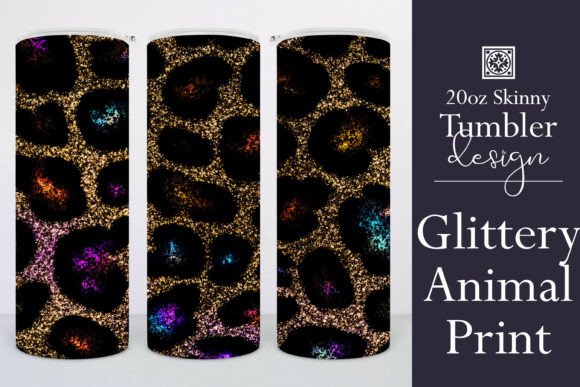
Leopard Print Glittery Tumbler Wrap 3: A Designer's Take
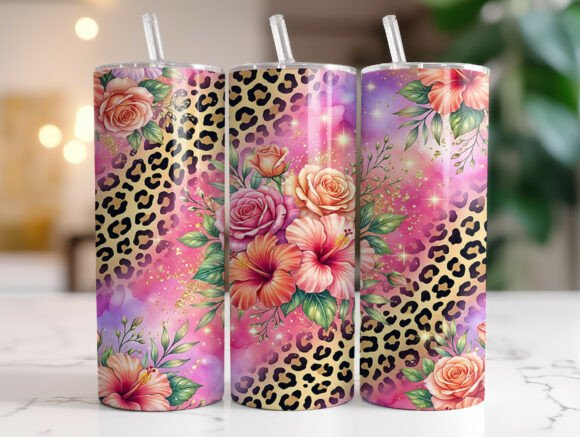
As a designer who spends more time staring at stitch maps than most people care to admit, I approach every new machine embroidery design with a mix of curiosity and skepticism. When I first pulled up the files for Leopard Print Glittery Tumbler Wrap 3, my initial reaction was one of visual intrigue. The concept promises a bold, animal-style aesthetic combined with a glittery texture, intended originally for sublimation on 20oz tumblers. However, in our world of thread and fabric, we often look beyond the intended medium to see where a graphic can truly shine when translated into stitches. This isn't just about slapping an image onto a shirt; it's about understanding how that wild, sparkling energy translates when you are working with thread colors, stitch density, and the physical limitations of an embroidery hoop.
First Impressions and Visual Personality
The mood this design creates is undeniably fierce and modern. Leopard print has cycled in and out of fashion for decades, but adding a "glittery" element pushes it firmly into the realm of statement pieces. Visually, the layout suggests a high level of detail. For an embroidery project, this means we are likely looking at a complex interplay of fill stitch areas to mimic the spots and potentially satin stitch borders or accents to define the edges. The "glitter" aspect in a digital graphic usually implies a speckled, high-contrast texture. In embroidery, replicating this requires careful management of stitch density. If the file is too dense, you risk a stiff, cardboard-like finish; if it's too light, the sparkle effect gets lost, especially on darker fabrics.
What strikes me most is the versatility of the theme. While the product description labels it under Tumbler Wraps and Graphics, the organic nature of animal print makes it a chameleon for various surfaces. It doesn't scream "tumbler only." Instead, it whispers possibilities for custom apparel, boutique branding, and high-end home decor. The visual personality is confident, making it an excellent candidate for customers who want their handmade product to stand out in a crowded market.
Real-World Application: From Screen to Stitch
Let's move away from theory and talk about a real scenario. Imagine a client comes to your small shop requesting a coordinated set for a bachelorette party or a birthday celebration. They want something fun but chic. You decide to use Leopard Print Glittery Tumbler Wrap 3 as the inspiration for a series of embroidered patches to be ironed onto denim jackets or tote bags. This is where the rubber meets the road.
When adapting a sublimation-ready PNG for embroidery, you have to consider how the gradient and noise of the "glitter" will render. In a custom apparel context, such as a sweatshirt embroidery project, you might need to simplify the background noise to prevent thread breaks and excessive trimming. On a soft fleece sweatshirt, a highly detailed fill can sink in, losing definition. Here, the design would work best as a centered chest logo or a sleeve accent, perhaps paired with a monogram in a contrasting satin stitch font.
Consider also the potential for holiday embroidery gifts. A leopard print kitchen towel or apron adds a touch of glam to the holidays without being overtly seasonal. For an Etsy seller, listing a "Glitter Leopard Apron" using this motif could tap into a specific niche of buyers looking for unique, non-traditional holiday decor. The key is ensuring the finished product feels durable. If the stitch count is too high for a thin tea towel, the fabric will pucker, ruining the giftability of the item.
Navigating Fabric Challenges and Hoop Limitations
Not every surface is created equal, and this is where a professional eye is crucial. While the original graphic is designed for a curved tumbler surface via sublimation, translating it to embroidery introduces new variables. If you are attempting this on a cap or hat, the curved surface combined with the structured front panel requires precise hooping. Animal prints with irregular shapes can look distorted if the fabric shifts during stitching. Furthermore, caps often have seams right down the middle; placing a large, detailed graphic like this requires careful alignment to avoid stitching over the seam, which can cause needle deflection.
Texture is another critical factor. On a textured fabric like a waffle knit or a heavy canvas tote bag design, fine details in the leopard spots might get lost. The "glitter" effect, which relies on sharp contrast in the digital file, needs sufficient space between stitch runs to pop. On dark fabrics, you must ensure the underlay is robust enough to prevent the base material from showing through the lighter spots of the print. Conversely, on stretchy fabrics like jersey knits used for baby embroidery, a dense fill stitch can restrict movement and cause discomfort. For infant wear, I would recommend scaling the design down significantly and perhaps using an applique design technique instead, where the leopard print is a fabric patch stitched down with a clean border, reducing the amount of direct stitching on the delicate skin.
Enhancing Brand Value and Customer Trust
Using a distinctive graphic like Leopard Print Glittery Tumbler Wrap 3 can significantly impact your brand consistency and perceived value. When a customer sees a well-executed, complex design on a personalized gift, it signals professionalism. It tells them that you didn't just grab a free clipart image; you selected a high-quality asset and executed it with skill. This builds trust. For commercial embroidery projects, consistency is key. If you are producing a run of branded merchandise for a boutique, ensuring that every stitch of the leopard pattern aligns perfectly across fifty items is what separates a hobbyist from a serious craft business.
The visual appeal of this design lies in its ability to catch the eye. In a sea of floral and geometric patterns, a bold animal print stands out. This recognition factor drives buyer engagement. Whether it's a printable mockup for your online store or the actual small shop product sitting on a shelf, the design commands attention. However, this only works if the execution is flawless. Poor tension, visible jump stitches, or puckering can instantly devalue the item, turning a premium-looking design into a discount bin reject.
Practical Notes for the Embroidery Designer
Before you commit this design to a client's expensive garment, there are several steps you must take. First and foremost, test the design on scrap fabric that matches the weight and texture of your final material. This is non-negotiable. Check the thread color contrast; sometimes the digital preview looks vibrant, but the actual thread shades might clash or appear muddy once stitched. Review the stitch density settings in your software. You may need to adjust the pull compensation or reduce the density to suit your specific machine and fabric combination.
Confirm your hoop size capabilities. While the original graphic is for a 20oz tumbler wrap, the embroidery version might be large. Ensure your machine can handle the dimensions without requiring a re-hoop, which can lead to alignment issues. Inspect small details closely; tiny, isolated spots in a leopard print can become loose threads if they are too small to anchor properly. It is also wise to test the design in black and white mockups to see how the values hold up without the distraction of color.
Finally, always verify the licensing terms. The product description mentions you receive a 300dpi PNG for sublimation purposes. It does not explicitly state that this includes an embroidery file or the rights to digitize it for commercial sale. If you plan to sell design assets or finished items featuring this motif, you must confirm whether the license covers commercial embroidery use or if it is restricted to personal sublimation projects. Never assume; always check to protect your business.
In conclusion, Leopard Print Glittery Tumbler Wrap 3 offers a exciting starting point for creative entrepreneurs. With the right technical adjustments and a keen eye for fabric compatibility, it can transcend its original purpose as a tumbler graphic to become a standout element in your embroidery project portfolio. Whether you are making a pillow cover, a blanket, or a line of custom apparel, the potential is there for those willing to do the groundwork.