Camo Papa Tumbler Wrap: A Designer's Practical Review
As a designer who spends more time staring at stitch maps and fabric swatches than most people care to admit, I approach every new digital embroidery file with a mix of curiosity and skepticism. We've all been there: you download a design that looks crisp on the screen, only to find it turns into a puckered mess once the needle hits the fabric. Recently, I've been evaluating the Camo Papa 20 Oz Tumbler Wrap Sublimation not for its intended sublimation use, but through the lens of an embroidery professional. While this product is technically categorized under Tumbler Wraps and Graphics, there is significant value in analyzing how these visual assets translate into tangible, stitched handmade products.
First Impressions: Mood and Visual Personality
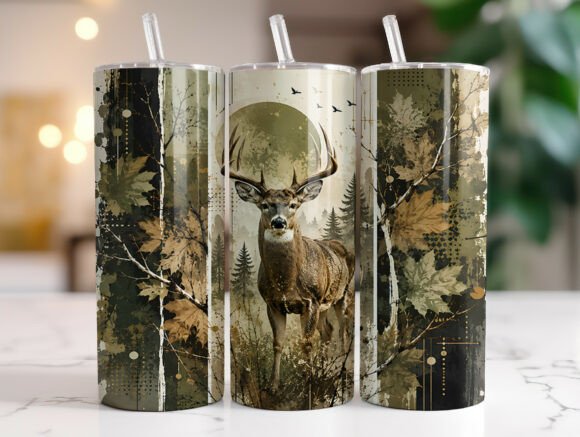
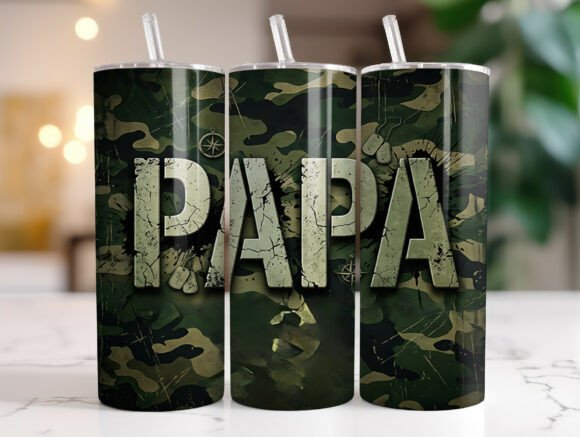
The moment I pulled up the high-resolution PNG files included in this download, the mood was immediately clear. This isn't a delicate, floral motif meant for a nursery; it is bold, rugged, and unapologetically masculine. The "Camo" element suggests outdoor utility, while the "Papa" text anchors it in family sentimentality. For an embroidery project, this combination creates a strong visual personality that works exceptionally well for custom apparel aimed at fathers, grandfathers, or outdoor enthusiasts.
The layout is straightforward, which is often a blessing in disguise. Complex gradients in sublimation files can sometimes confuse digitizers or look muddy when translated into thread, but the distinct shapes here suggest a design that would hold up well under a satin stitch border or a dense fill stitch background. The 300 DPI resolution ensures that when you trace this graphic to create your own machine embroidery design, the edges remain sharp, allowing for precise digitizing of those camouflage irregularities.
Real-World Application: Beyond the Tumbler
Let's move away from the theoretical and talk about a real scenario. Imagine a small shop owner preparing for Father's Day or a hunting season launch. They have this Camo Papa 20 Oz Tumbler Wrap Sublimation file, but they want to expand their inventory beyond drinkware. How does this graphic perform when reimagined as a sweatshirt embroidery piece?
In this context, the design shines. Picture a charcoal grey fleece hoodie. If you were to adapt this graphic into an embroidered patch or apply it directly to the chest, the contrast between the camo greens and browns against the dark fabric would be striking. It transforms a simple digital asset into a premium personalized gift. Similarly, consider a heavy canvas tote bag design. The rugged nature of the camo pattern complements the texture of canvas beautifully. Unlike delicate scripts that might get lost on rougher textiles, the blocky, solid nature of this theme demands attention and adds perceived value to the finished product.
For Etsy sellers and creative entrepreneurs, versatility is key. This graphic could easily be scaled down for a baby embroidery project—perhaps on a onesie for a "little hunter"—or scaled up for a statement back-piece on a work jacket. The thematic consistency allows for a cohesive collection of small shop products without needing to source entirely new art for every item.
Technical Considerations and Fabric Challenges
However, enthusiasm must be tempered with technical reality. Just because a graphic looks good doesn't mean it stitches well automatically. When adapting Camo Papa 20 Oz Tumbler Wrap Sublimation for embroidery, several factors require careful attention.
First, consider the stitch density. Camouflage patterns often rely on organic, jagged shapes. If you are digitizing this yourself or hiring someone to do so, beware of creating too many small, isolated islands of color. On stretchy fabrics like jersey knits, excessive density can cause the fabric to pucker or the design to crack over time. A strategic use of running stitch for internal details rather than solid fills might preserve the fabric's drape.
Second, think about the hoop size. The original file is sized at 9.3″ x 8.2″, which is quite large. Most standard home embroidery machines have a maximum hoop size of 5″ x 7″ or 6″ x 10″. To use this effectively on a cap or a smaller pocket, you will need to resize the artwork significantly. Be cautious: shrinking complex camo details too much can result in a loss of definition, where the individual shapes merge into a muddy blob. Always test your resized version on scrap fabric first.
Fabric texture also plays a massive role. On a smooth polo shirt, the details will pop. On a textured towel or a looped terrycloth robe, fine lines might get swallowed by the loops of the fabric. For these surfaces, I recommend increasing the outline thickness or using an applique design approach where the camo pattern is printed on fabric and then stitched down, rather than trying to stitch every pixel with thread.
Enhancing Brand Value and Customer Trust
From a business perspective, the quality of your design assets directly impacts customer trust. Using a high-quality source image like this one ensures that your printable mockup images look professional before you even stitch a single thread. When customers see crisp, well-defined visuals in your Etsy listings or social media previews, they associate that clarity with the quality of your physical goods.
Furthermore, consistency builds brand recognition. If you establish a "Papa" series in your boutique, using this specific camo aesthetic across different items—from aprons to pillow covers—creates a recognizable line of design assets. It tells your customers that you pay attention to themes and details. A sloppy, pixelated transfer or a poorly digitized embroidery file can undermine the perceived value of a handmade item, turning a $50 custom sweatshirt into something that looks like a cheap novelty gift.
Practical Notes for the Working Designer
Before you commit this design to a client's expensive garment, here are my top recommendations for ensuring success:
- Test on Scraps: Never skip the test run. Stitch the design on the exact same fabric and stabilizer combination you plan to use for the final product.
- Check Thread Contrast: Camo relies on subtle shifts in tone. Ensure your thread colors have enough contrast to distinguish the pattern layers, especially if the final product will be viewed from a distance.
- Review Licensing: Although this is an instant download, always double-check the specific license terms regarding commercial use. Can you sell the stitched item? Can you sell the digitized file? Clarify this before listing items in your craft business.
- Stabilizer Selection: For larger designs on stretchy fabrics, a cut-away stabilizer is often safer than tear-away to prevent distortion after washing.
- Mockup Verification: Create black-and-white mockups to check the value structure. If the design loses its shape in grayscale, it might need adjustment before stitching.
In conclusion, while Camo Papa 20 Oz Tumbler Wrap Sublimation is marketed for drinkware, its potential as a foundation for diverse commercial embroidery projects is substantial. With thoughtful adaptation, respect for fabric limitations, and a keen eye for detail, this graphic can become a staple in your repertoire of holiday embroidery and everyday custom goods. It serves as a reminder that in our trade, the best results come not just from the file you download, but from the expertise you apply to bring it to life.