Camo Deer Hunting Tumbler Wrap: A Designer's Review
As a designer who spends most of my day staring at screens and managing stitch counts, I approach new design assets with a healthy dose of skepticism. We have all been there: you buy a file that looks stunning in the preview, only to find out it turns into a bird's nest of thread once it hits the fabric. Recently, I got my hands on the Camo Deer Hunting 20oz Tumbler Wrap PNG. While this is technically categorized under Tumbler Wraps and Graphics, my brain immediately started translating those pixels into stitches. I wanted to see if this rugged, outdoorsy aesthetic could translate from a sublimation wrap to a tangible, stitched handmade product.
First Impressions: Rugged Mood and Visual Weight
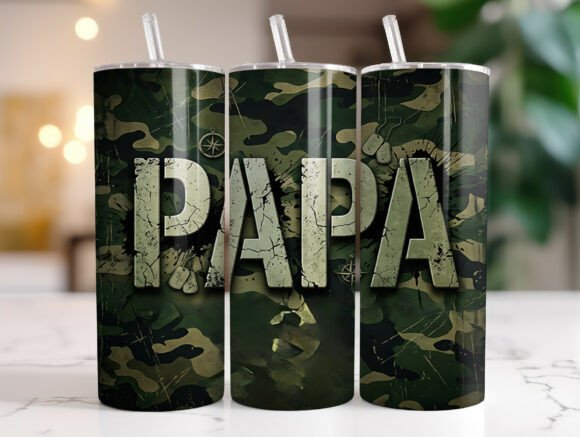
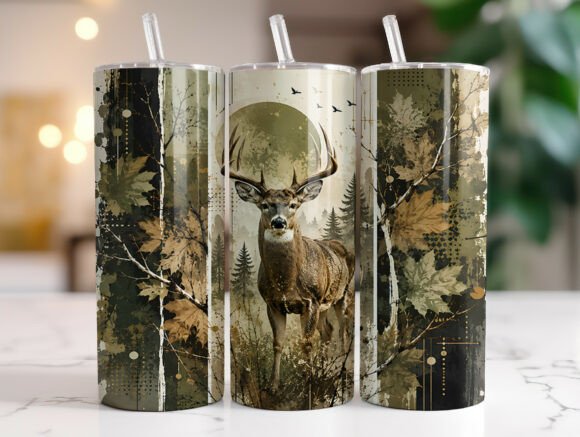
The first thing that strikes me about the Camo Deer Hunting 20oz Tumbler Wrap PNG is its mood. It isn't trying to be cute or delicate; it screams "outdoors." The camouflage pattern combined with the deer silhouette creates an immediate connection to hunting season, cabin life, and rugged adventure. Visually, the layout is bold. At 9.3″ x 8.2″, the scale is substantial. In the world of digital graphics, this resolution allows for crisp edges, but for us embroidery folks, it signals a design with significant coverage.
The visual personality here is masculine and earthy. If you are looking to create a personalized gift for someone who loves the woods, this hits the mark. However, as a reviewer, I have to look past the pretty picture. The complexity of a camo pattern implies a high level of detail. In a PNG, those color shifts are seamless. In embroidery, every shift requires a thread change or a complex blend of fill stitch densities. This design feels like it belongs on heavy-duty items rather than fine linens.
Translating Graphics to Stitch: A Real-World Scenario
Let's put this into a real-life context. Imagine a client comes into your small shop asking for a custom hoodie for their husband's birthday. He is an avid hunter. You could sublimate a tumbler, sure, but what if they want something wearable? This is where I tested the concept of adapting the Camo Deer Hunting 20oz Tumbler Wrap PNG into a machine embroidery design.
I envisioned placing this motif on the back of a heavyweight charcoal grey sweatshirt. The deer silhouette would serve as the focal point, perhaps rendered in a solid satin stitch or a dense fill to make it pop against the textured fabric. The surrounding camo elements would need to be simplified. You cannot simply import a high-res PNG and expect the machine to magic it into thread without creating a stiff, cardboard-like patch. To make this work as a sweatshirt embroidery project, I would isolate the deer head and use the camo shapes as background accents, perhaps using an applique design technique where actual camo fabric is stitched down, and the deer is embroidered on top. This reduces stitch count while maintaining the rugged aesthetic.
For a tote bag design, the approach would differ. Canvas bags can handle higher stitch density. Here, you might attempt to recreate the camo effect using varying shades of green and brown thread. The result would be a textured, tactile finished product that feels premium compared to a flat print. Customers love the depth that embroidery adds; it elevates a simple bag into a boutique item.
Material Considerations and Technical Challenges
While the potential is high, we must discuss where this design requires caution. The original file is intended for a curved surface (a tumbler), but applying these visuals to fabric introduces variables. If you attempt to stitch a detailed version of this on thin fabric, you will face puckering issues immediately. The density required to mimic the camo look demands a robust stabilizer. I would strongly recommend a cut-away stabilizer for any garment that will be washed frequently.
Textured fabrics present another hurdle. If you are working on a waffle knit or a rough towel, fine details in the deer's antlers or the subtle shifts in the camo pattern might get lost. The thread colors need to have high contrast against the base fabric. On a dark navy cap, for instance, you would need to ensure your greens and browns are light enough to stand out, or else the design will vanish into the background. Conversely, on light khaki chinos, you would need deep forest greens to define the shape.
Small hoop sizes are also a constraint. This graphic is large. To use it on a baby embroidery project, like a onesie or a small bib, you would need to drastically scale it down. Be warned: shrinking a detailed camo pattern too much results in a muddy mess where individual stitches merge. For small items, I suggest using just the deer icon element and ditching the full background wrap.
Commercial Viability and Brand Consistency
For Etsy sellers and craft business owners, consistency is key. Using a design like the Camo Deer Hunting 20oz Tumbler Wrap PNG as inspiration for a line of products can help build a cohesive brand identity around outdoor lifestyles. Whether you are selling embroidered patches for hats, kitchen towels for cabin rentals, or holiday embroidery for Christmas stockings, the theme remains consistent.
The visual appeal of this specific motif drives customer trust. When a buyer sees a well-executed deer and camo design, they associate it with quality and attention to detail. It tells them you understand their hobby. However, professionalism dictates that you do not just slap the PNG onto a shirt. You must adapt it. A direct print-to-stitch conversion often looks amateurish. Taking the time to digitize the elements properly, choosing the right running stitch for outlines, and balancing the fill areas shows expertise.
Practical Notes for the Studio
Before you commit to a production run or list a new item in your shop, keep these practical steps in mind:
- Test on Scrap First: Never skip the test stitch-out. Use the same fabric and stabilizer combination you plan to use for the final product.
- Check Color Contrast: View your design in black and white mockups. If the deer disappears against the background in grayscale, your thread choices need adjustment.
- Review Stitch Density: High-resolution PNGs imply detail, but embroidery has limits. Ensure your digitized version doesn't have overlapping fills that cause thread breaks.
- Confirm Hoop Size: Measure your maximum hoop area. This design is wide; ensure your machine can handle the width without re-hooping, which can lead to alignment errors.
- Inspect Small Details: Look closely at the antler tips and the edges of the camo shapes. These areas often need tie-offs or careful trimming to look clean.
- Licensing Check: Since this is a digital graphic file, verify the license terms before selling finished physical goods. Some creators allow personal use only, while others permit commercial sales of finished items.
In conclusion, the Camo Deer Hunting 20oz Tumbler Wrap PNG is a versatile visual asset. While it is sold as a graphic for tumblers, its true value for an experienced designer lies in its potential as a blueprint for rugged, high-quality embroidery projects. With careful adaptation regarding stitch types, fabric selection, and scaling, it can become a star performer in your catalog of custom apparel and small shop products. Just remember: the screen shows the ideal, but the needle and thread reveal the reality. Plan accordingly, and you will deliver a product that your customers will cherish for years.