Review: Western Highland Cow Cactus Tumbler Wrap for Embroidery
As a designer who spends most of my day digitizing and reviewing files for small business owners, I approach every new embroidery project with a critical eye. We often see digital assets marketed for one specific use, like sublimation or printing, that talented makers try to adapt for stitching. Today, I am evaluating the Western Highland Cow Cactus Tumbler Wrap not as a printer would, but as an embroidery specialist looking to create a tangible, high-quality handmade product. The listing describes this as a high-resolution PNG set intended for 20oz skinny tumblers, but let's dig into whether this graphic holds up when translated into thread on fabric.
First Impressions: Mood and Visual Personality
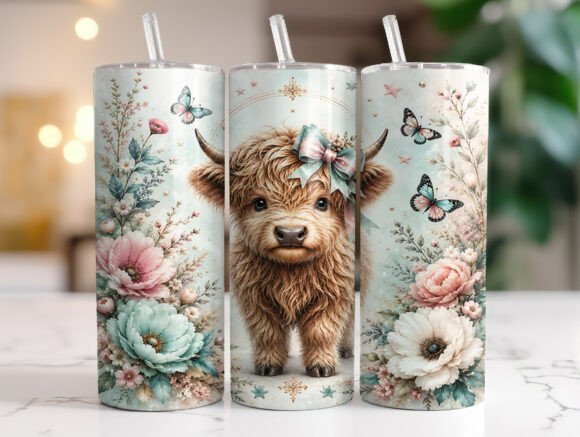
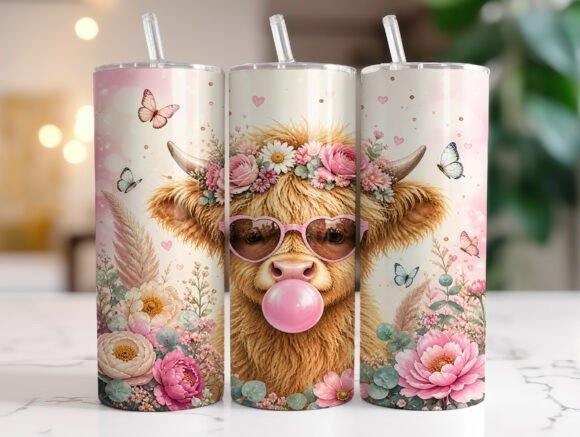
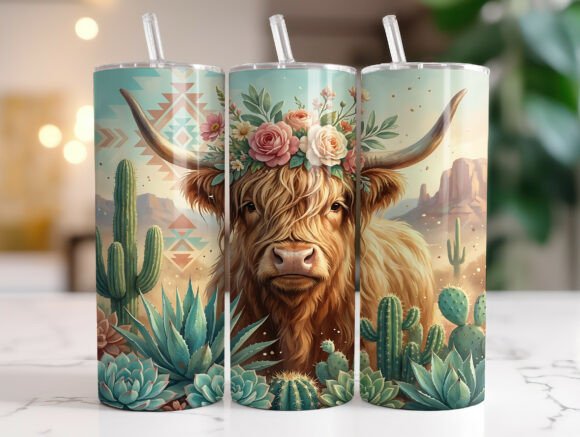
The moment you pull up the file, the vibe is unmistakable. This design captures that trendy "boho-western" aesthetic that is currently dominating boutique shops and Etsy listings. The combination of a fluffy Highland cow with desert cactus elements creates a playful yet rugged narrative. For an embroidery designer, the first thing I look for is the clarity of the lines and the separation of elements. In this Graphics file, the silhouette of the cow is distinct, which is promising. However, because this is originally sold as a Tumbler Wraps asset, the details are optimized for ink, not needle and thread. The mood is warm and inviting, perfect for customers who love rustic decor or southwestern fashion, but translating this from a 300 DPI image to a stitched reality requires some strategic planning.
Real-World Application: From Screen to Stitch
Let's imagine a real-life scenario. You run a small craft business specializing in personalized gifts, and a client wants a custom tote bag for a baby shower with a western theme. They send you this file, loving the cow and cactus motif. Your instinct might be to treat this as a standard applique design or a filled patch. The shape of the cow, with its shaggy coat, naturally lends itself to a mix of fill stitch for the body and perhaps some textured satin stitch for the horns or eyes. The cactus elements could provide a nice contrast in green tones against the neutral browns or blacks of the cow.
If you were to adapt this for a sweatshirt embroidery project, the large surface area of a hoodie back or chest would accommodate the 9.3-inch width well. The design would serve as a statement piece. Alternatively, scaling it down for a baby embroidery project on a onesie would require significant simplification. The intricate details of the cow's fur in the original PNG might turn into a muddy mess if the stitch density is too high on a small scale. For a tote bag design, however, the canvas fabric provides enough stability to handle the density required to mimic the shaggy texture of the Highland cow without puckering.
Navigating Technical Challenges
Here is where professional judgment comes in. Since the Western Highland Cow Cactus Tumbler Wrap is provided as a PNG, it is not a native embroidery file format like PES or DST. This means you cannot simply load it into your machine. You must digitize it first or use auto-digitizing software with caution. When working with images of animals, especially those with fur, there is a temptation to over-stitch. High stitch density can make the fabric stiff and cause the design to pucker, especially on stretchy materials like t-shirts or thin baby clothes.
You need to be careful with curved surfaces. While the original product is meant for a tapered tumbler, applying this logic to a cap or hat requires adjusting the pull compensation. A cap has a curved front panel, and a wide design like this might distort if not properly centered and stabilized. If you attempt this on dark fabric, ensure your thread colors have enough contrast. The original graphic likely uses specific shading that might get lost if you don't select vibrant thread colors that pop against the background.
Impact on Brand and Customer Perception
Using a recognizable and trendy motif like the Highland cow can significantly boost the visual appeal of your finished product. Customers associate these designs with quality and current trends. If executed well, with clean edges and appropriate thread choices, this design can elevate your brand consistency. It signals that you understand market demands. However, if the stitching looks sloppy or the details are lost due to poor adaptation from the PNG source, it can hurt customer trust. A poorly executed embroidered patch or garment looks amateurish, whereas a crisp, well-digitzed version screams professionalism.
For Etsy sellers and creative entrepreneurs, the uniqueness of the design matters. Since this is a digital download, many people may have access to the same base image. Your value add is in how you translate it into embroidery. Will you add custom lettering? Will you turn it into a layered applique to reduce bulk? These decisions determine whether your item stands out as a premium personalized gift or just another generic commodity.
Practical Notes for the Designer
Before committing to a full production run or promising a client a deadline, follow these steps:
- Test on Scrap Fabric: Never stitch a new adaptation directly on the final garment. Test the digitized version on the exact same fabric weight and type you plan to use.
- Check Stabilizer Needs: Given the potential density of the cow's fur texture, a cut-away stabilizer is likely necessary for knit fabrics like sweatshirts to prevent distortion over time.
- Review Hoop Size: Ensure your machine's hoop size can accommodate the design if you plan to stitch it at or near its original dimensions. You may need to split the design for larger applications.
- Inspect Small Details: Look closely at the cactus spines and the cow's eyes in your test stitch-out. Tiny details often disappear in embroidery; you may need to simplify these areas manually.
- Mockup Verification: Create black and white mockups to check contrast. If the design relies solely on color gradients in the PNG, it might fail in monochrome stitching.
- Licensing Check: The product description states "Instant Download" for graphics. Verify the license terms before selling finished items. Some graphic licenses allow personal use only, while others permit commercial use for physical goods but not for reselling the digital file itself.
In conclusion, the Western Highland Cow Cactus Tumbler Wrap offers a fantastic visual foundation for a variety of commercial embroidery projects, from holiday gifts to boutique apparel. However, its success depends entirely on the skill of the maker to bridge the gap between a printed graphic and a stitched reality. With careful attention to fabric texture, proper stabilization, and thoughtful digitizing, this design can become a standout star in your catalog of design assets. Treat it not just as a picture, but as a blueprint for a tactile, durable, and beautiful creation.